

EMDR Therapy in Yarrabilba & Logan
If you’re searching for EMDR therapy near Yarrabilba, chances are something specific brought you here. Maybe it’s anxiety that doesn’t seem to have a clear cause. Maybe it’s a memory that still feels too close, even years later. Maybe you’ve tried talking therapy, and it helped, but something still feels stuck.
EMDR (Eye Movement Desensitisation and Reprocessing) is one of the most well-researched therapies for exactly that kind of “stuck” feeling. I offer it in person in Yarrabilba and Logan, and online for clients anywhere in Australia.
What EMDR Is (and Isn’t)
EMDR isn’t hypnosis, and it isn’t just talking about your problems on repeat. It’s a structured therapy that helps your brain finish processing a memory or experience that got “stuck” – usually because it happened during a moment of high stress, fear, or overwhelm.
You don’t need to explain every detail of what happened. You don’t need to relive it in the way you might expect. The therapy works with how your brain naturally processes information, using bilateral stimulation (usually guided eye movements) to help move a memory from feeling raw and present-tense to feeling like something that happened in the past.
How EMDR Works, Step by Step
EMDR follows a set structure, developed and refined over decades of clinical research:
- History and planning – we identify what we’re working on and make sure you feel resourced enough to begin
- Preparation – you learn grounding and calming techniques you’ll use during and between sessions
- Assessment – we identify the specific memory, the image, the belief attached to it, and how it feels in your body right now
- Desensitisation – this is the bilateral stimulation phase, where we process the memory itself
- Installation – we strengthen a more helpful belief in place of the old one
- Body scan – checking that the distress isn’t still held physically
- Closure and re-evaluation – making sure you leave each session feeling stable, and checking progress at the start of the next
What a Typical Session Looks Like
Sessions run 60–90 minutes. You won’t be asked to dive straight into the hardest material in your first session – we build up to it.
One client I worked with had experienced significant childhood trauma and neglect, followed by medical trauma later in life. She arrived extremely disconnected from her own feelings, and had been using addiction as a way of coping. Using some basic hypnosis techniques in our first session, by the second session she was already beginning to unpack emotions and experiences that had affected her for most of her life. By the third and fourth sessions, a significant amount of that trauma had been processed, and positive memories she hadn’t been able to access in years started coming back to her.
The person sitting in front of me by the end of it was almost unrecognisable from the person who’d first walked in, so anxious she barely wanted to come through the door. By our last sessions, she was laughing, almost in disbelief at how different her own mind felt. She described it as her brain functioning in a way she’d never experienced before. We completed our work together in four sessions.
That’s not the pace for everyone, and I never promise a timeline before I’ve met you. But it’s a good example of how quickly things can shift when the right approach is found for the right person.
Who I Work With
I see a wide range of people – from children around 10 years old through to my oldest client so far, at 82. The concerns I see most often are anxiety, trauma, difficult or repeating relationship patterns, and addiction.
Many people who come to me have already tried traditional talk therapy, sometimes more than once, but haven’t experienced the change they were hoping for. Often they reach a point where things simply feel too heavy – they know something needs to change, but can’t seem to move forward on their own. That’s where EMDR and hypnotherapy can offer another way of working.
EMDR is best known for trauma, but it’s used for more than that:
- Anxiety, including anxiety without an obvious single cause
- Single-incident trauma (accidents, medical events, sudden loss)
- Complex or long-term trauma
- Phobias
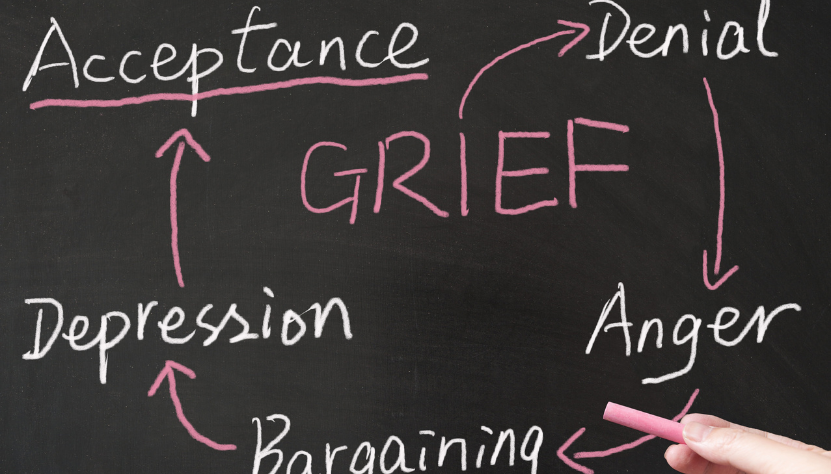
- Grief that feels “stuck”
- Low self-worth tied to specific past experiences
Why I Combine EMDR with Hypnotherapy
Most EMDR practitioners are trained in EMDR alone. I’m trained in both EMDR and hypnotherapy, and in practice, that combination matters more than it might sound.
Sometimes EMDR can move someone through a significant amount of emotional processing, but they’re left feeling distressed or stuck at a particular point, even after safety and grounding have been re-established. I find that carefully integrated hypnotic language can help tie those pieces together and support further change. With the client I mentioned above, I began deliberately weaving hypnotic language into the EMDR protocols themselves – not as a separate step, but throughout. That let us work not just with the distress connected to her experiences, but with the beliefs, meanings, and emotional responses sitting underneath them.
I also don’t believe everyone needs to engage with hypnosis in the traditional way to benefit from it. By integrating hypnotic language into EMDR, I can bring in elements of both approaches without ever asking someone to engage in a form of therapy they might not feel comfortable with by name.
Seeing how much can shift in a relatively short period of time, particularly with that first client, is a large part of why I chose to develop my work across both approaches rather than settling on one.
Is EMDR Right for You?
EMDR isn’t the right starting point for everyone, and part of my job in a first session is figuring out, with you, whether it’s the right fit. Some people need a period of stabilisation first. Some do better starting with talking therapy or hypnotherapy and moving into EMDR later. There’s no one-size-fits-all order.
One of the biggest misconceptions I come across is that people think they need to sit down and tell me every detail of what happened for EMDR to work. Some worry that if their memories are incomplete, patchy, or partly suppressed, there’s nothing to work with at all.
That’s not how I approach it. The details aren’t as important as the destination we’re working toward. You don’t need to tell your entire story in graphic or exhaustive detail for us to work therapeutically with the emotions, beliefs, and responses affecting you now. As I often tell clients: the truth can set you free, even if you never speak the words out loud. For someone who has spent years avoiding talking about what happened, that alone can change how they see trauma therapy altogether.
My Training
I hold a Bachelor of Psychology and Counselling, alongside a Certificate in Conversational Hypnotherapy and a Diploma of Clinical Hypnotherapy. That combination of psychology, counselling, and hypnotherapy training is what led me into EMDR, and it’s why I work the way I do: grounded in clinical practice, but with the flexibility to bring in hypnotic techniques where they genuinely help.
What to Expect in Your First Session
Your first session is mostly conversation. We’ll talk about what’s brought you here, your history in as much or as little detail as you’re comfortable with, and what you want to get out of therapy. There’s no obligation to commit to EMDR specifically at this stage – we’ll figure out the right approach together.

If you’re in Yarrabilba, Jimboomba, Beenleigh, Logan, or the surrounding area, sessions are available in person. If you’re elsewhere in Australia, the same process is available online, and EMDR has strong research support for telehealth delivery.
Book a Session
If any of this sounds like what you’ve been looking for, the next step is simple: get in touch and we’ll book a first session, in person or online.