

The short answer: traumatic grief involves not only the pain of losing someone, but also the psychological and physical impact of how that loss happened. It’s common after a sudden, violent or unexpected death. Therapy can help process the traumatic part, so you can grieve and reconnect with the memories that matter.
How traumatic grief differs from “ordinary” grief
The biggest distinction I see is that traumatic grief involves not only the pain of losing someone, but also the psychological and physiological impact of how that loss occurred or was experienced.
With ordinary grief, people may experience profound sadness, anger, guilt, loneliness and longing. These are natural responses to losing someone important, and grief doesn’t necessarily follow a predictable timeline.
With traumatic grief, however, the grieving process can become intertwined with the nervous system’s threat response. This is particularly common when a death is sudden, violent, unexpected, or experienced under distressing circumstances.
Rather than being able to process the loss itself, a person may find themselves repeatedly reliving the circumstances surrounding the death. Intrusive memories, guilt, hypervigilance, avoidance, emotional numbness and persistent feelings of helplessness can make it difficult to engage with their grief.
Missing someone vs being stuck in what happened
One of the things I pay particular attention to is the difference between missing someone and being psychologically stuck in what happened to them.
For example, someone may desperately want to remember the person they loved, but every attempt to do so triggers distressing images of their final moments. Their traumatic memories can effectively overshadow the positive memories and emotional connection they had with that person.
I also recognise that traumatic grief isn’t limited to bereavement. People can experience trauma-related grief following relationship breakdowns, childhood neglect, family estrangement, or the loss of their sense of identity and safety.
How I approach traumatic grief
My approach begins with understanding whether the person is primarily experiencing grief, trauma-related symptoms, or a combination of both. This distinction matters because grief and trauma, although interconnected, don’t necessarily respond to the same therapeutic interventions.
I don’t approach grief as something that needs to be eliminated. Grief is a natural response to attachment and loss. Instead, I focus on identifying what may be preventing someone from processing that loss in a way that feels manageable.
Processing the traumatic memories
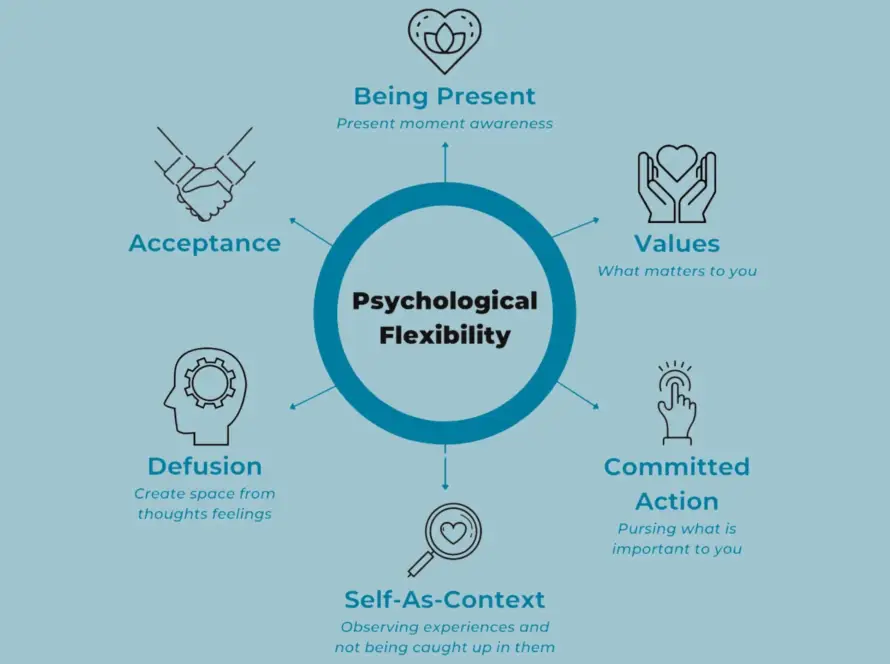
Where traumatic memories are contributing to ongoing distress, I may incorporate EMDR-informed techniques to help process those experiences and reduce their emotional intensity. Depending on the individual’s needs, I may also integrate clinical hypnotherapy, counselling, ACT, and other trauma-informed approaches to address guilt, self-blame, emotional regulation, and the meaning they’ve attached to the loss.
Reconnecting with the person you lost
An important part of my work is helping people reconnect with memories of the person they’ve lost without those memories being consistently overshadowed by the circumstances of their death.
Grief and identity
I also explore the impact of grief on identity. For some people, particularly those who have lost a partner, child, or someone central to their sense of purpose, the question isn’t simply how to live without that person, but who am I now that they’re gone?
Support beyond therapy
I don’t believe therapy should be someone’s only source of support. Where appropriate, I encourage clients to access grief support groups, community connections, and specialised bereavement services, such as:
Griefline
Griefline offers a helpline on 1300 845 745 (weekdays 10am–8pm).
Red Nose
Red Nose runs a 24/7 grief and loss support line on 1300 308 307, for families after the loss of a baby or child, including pregnancy loss.
Other support
Grief support groups, community connections and other services relevant to your circumstances.
Peer support can be particularly valuable because it provides something individual therapy cannot always replicate: the experience of connecting with others who genuinely understand a similar loss.
Ultimately, my goal isn’t to help someone forget, move on, or stop grieving. It’s to help them process the traumatic aspects of their experience, develop the capacity to carry their grief, and find ways to reconnect with life while maintaining a meaningful connection to the person or part of their life they’ve lost.
Learn more about grief and loss counselling and trauma counselling at Bloom.
If you’re in crisis or having thoughts of suicide, call Lifeline on 13 11 14 (24/7), or 000 if life is in danger.
Frequently asked questions
What is traumatic grief?
Traumatic grief is grief combined with trauma symptoms, often after a sudden, violent or unexpected death. People may relive how the loss happened, making it hard to grieve the person themselves.
How is traumatic grief different from normal grief?
Ordinary grief involves sadness, longing, anger and guilt. Traumatic grief adds trauma responses such as intrusive memories, hypervigilance, avoidance and numbness, which can block the grieving process.
Can therapy help with traumatic grief?
Yes. Therapy can help process the traumatic memories so you can grieve, reconnect with positive memories, and carry the loss in a more manageable way.
Where can I get grief support in Australia?
Services include Griefline (1300 845 745, weekdays) and Red Nose’s 24/7 line (1300 308 307) for the loss of a baby or child. In a crisis, call Lifeline on 13 11 14.
Getting started
Sessions are available in person in Yarrabilba, near Logan, Jimboomba and Beenleigh, or online anywhere in Australia. No referral is needed. Book a session or call 0451 119 353.