
Most people who come to me wanting to quit smoking have already tried. They’ve tried patches, gum, cold turkey, or just promising themselves Monday would be the day. Many of them walk in believing quitting is simply too hard and they won’t cope.
What I’d like people to know is that with the right tools and some sustained effort on your part, quitting is an achievable goal. It also helps to understand that smoking is rarely just about the cigarette.
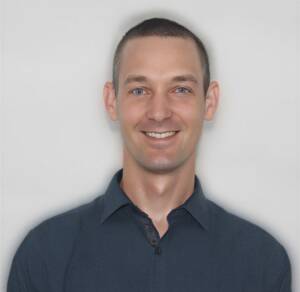
I’m Adam, and I run Bloom Hypnotherapy & Counselling in Yarrabilba. I see people from across Logan, Jimboomba and the surrounding suburbs, in person or online. Here’s what quit smoking hypnotherapy actually looks like with me, and why I spend so much time on the why behind the habit.

What I notice in people who come to quit
Everyone’s story is different, but some patterns come up often in my practice.
Many of the people I see live with higher levels of stress or anxiety. For some, there’s unresolved childhood trauma in the background. Very often they have few other ways of coping that feel adequate for settling their nervous system.
Over time, smoking has become their safe and predictable way to calm down. It’s there in the car after a hard day, on the back step after an argument, or first thing in the morning before the day starts. When you see it that way, it makes sense that willpower alone often isn’t enough. You’re not just giving up a cigarette. You’re giving up the main way your body has learned to settle.
As for why people decide to quit, the reasons vary. In my experience, the most common reason is health rather than money.
Before your first session
Every quit smoking client completes an intake form before they come in. The questions are worded on purpose. They help me understand:
- your triggers: the times, places, feelings and people linked to smoking
- what keeps the habit going
- your own reasons for wanting to quit
- your history, so we can spot anything else that may be driving the habit
Answer the questions honestly, and be honest with yourself and with me. That way we both have the same outcome in mind before we start.
On the day, hold off smoking for as long as you can before your session, and bring your smokes along with you.
What happens in the session
We begin by talking through your answers, along with any concerns you have and anything you see as a barrier to quitting.
I also talk through the physiology of smoking: what nicotine and the habit are doing in your body. This shows me how much you already understand, and it helps us see which factors are at play at that level.
From there, we set clear goals. We look at exactly where you are now and where you want to be, and then we work on closing that gap.
Hypnotherapy is a focused, relaxed state where you stay aware and in control the whole time. It gives us a calm space to work with the patterns and associations behind the habit, so your own reasons for quitting carry more weight than the urge to light up.
We don’t just use hypnosis, though. I combine it with evidence-based techniques so you leave well equipped to stay smoke-free, with practical tools for the triggers, stress and cravings that used to send you reaching for a cigarette.
The myth I hear most
Occasionally someone expects to walk in, be hypnotised, and walk out a non-smoker, even if part of them doesn’t really want to quit.
That isn’t how it works. You need to want to quit and be committed to it. Like anything in life, we can’t reach a goal without the motivation and desire to get there. Hypnotherapy can be a real support, but it works with your commitment, not instead of it.
The good news is that if you do want to quit, you don’t have to do it alone or rely only on willpower.
What to do when a craving hits
The tip I give most often for the first few days is simple: notice the craving and log it. You can do this in your head or write it down.
A craving can be part of the process, but it doesn’t have to end in a cigarette or a vape. Noticing it, rather than reacting to it straight away, gives you a moment of choice. Your notes also become useful information for your follow-up session.
Why there’s always a follow-up
Every quit smoking client has a follow-up session, and I give you resources and tools to use in between. The follow-up is where we work on anything that has come up since your first session.
Sometimes when we resolve one problem, another unexpected one appears. It might be anxiety, or trauma that didn’t seem like an issue before. That’s not a failure. It’s often a sign that smoking was helping hold something else in place. Because I’m also a counsellor, we can work with whatever comes up rather than just the habit on its own.
If you’re thinking about quitting
If smoking has become your way of coping, it may be worth looking at what sits underneath it as well as the habit itself. Every person is different, and I’ll never promise a particular result. What I can offer is a clear plan that combines hypnotherapy with evidence-based techniques, honest conversations and support along the way.
Sessions are available in person in Yarrabilba or online. If you’d like to talk it through, book online or read more about quit smoking hypnosis at Bloom. If you vape rather than smoke, my post on quitting vaping covers that too.